-
 by Em News
- September 18, 2026
Ghana’s Cedi and Inflation: What 2026 Data Mean for Traders
Editorial note — 13 October 2026: An earlier version of this article was withdrawn because Em News could not verify its claim of direct interviews with traders. This replacement uses linked public records. It does not present any trader’s experience as first-hand Em News reporting.
Did Ghana’s stronger cedi and lower inflation make it cheaper to run a market stall? The available national figures cannot answer that question for an individual trader. They do, however, show why a headline about the currency alone is an incomplete guide to business costs. The year attached to each number matters.
A strong 2025, then a different 2026
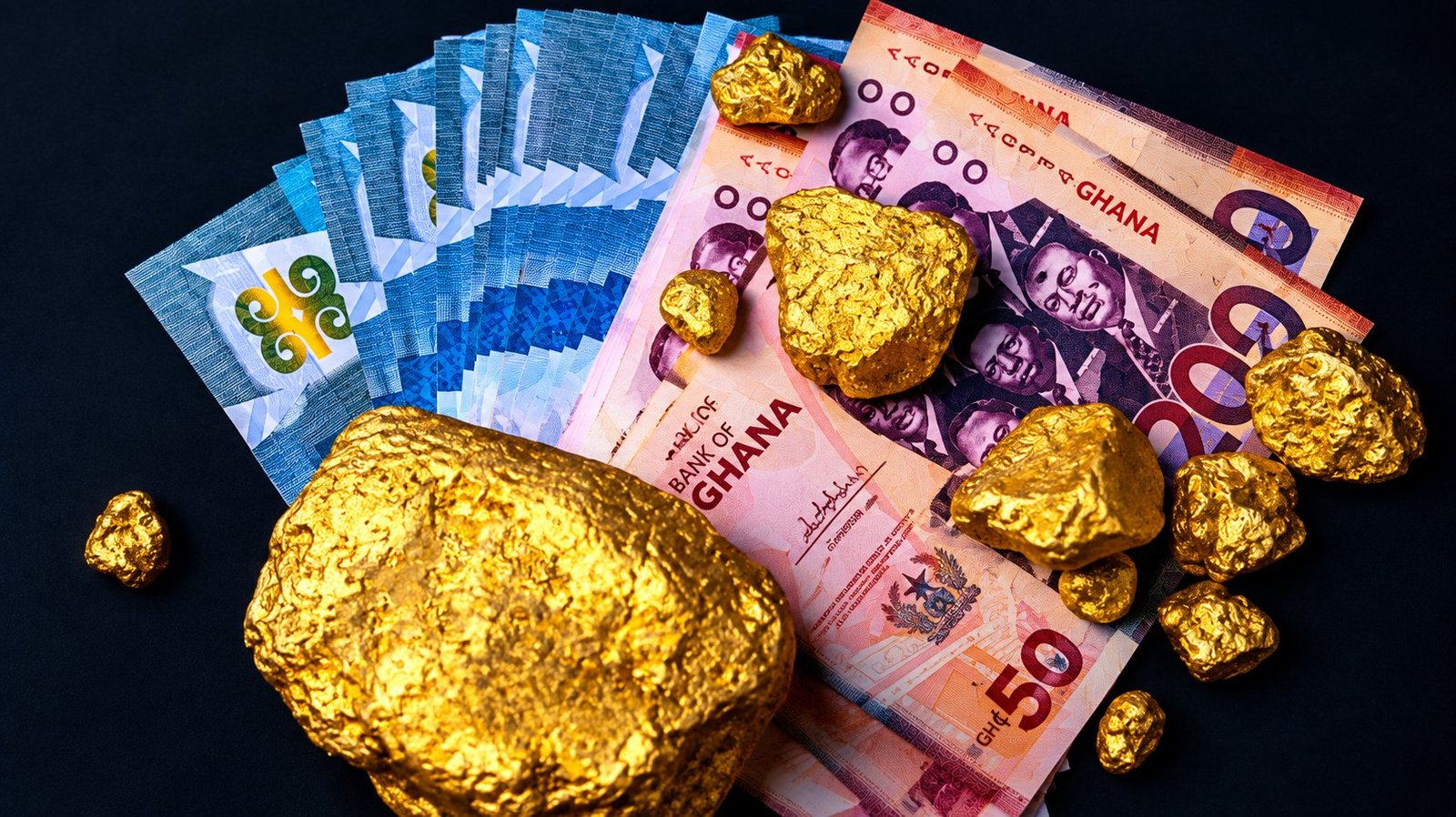
The Ministry of Finance reports that the cedi appreciated by 40.7% against the US dollar during 2025. That is a result for last year, not a measure of the currency’s performance throughout 2026. In the Bank of Ghana’s September economic charts, the cedi was down 9.5% against the dollar for 2026 to date, using exchange-rate observations through 18 September. The same charts put the rate at about GH¢11.55 per dollar on that date.
The figures cover different periods and should not be added together. Neither establishes the price an importer paid; purchase date, supplier terms and the exchange rate used for an order also matter.
Lower inflation is not a lower price level
Ghana Statistical Service recorded 3.8% year-on-year inflation in January 2026. Its September reading was 5.2%. Both figures describe changes in a broad consumer price index, not prices at a specific stall. September’s rate was higher than January’s, so describing inflation as continuously falling through 2026 would misstate this sequence.
Even when inflation falls, a positive rate generally means the measured basket is still more expensive than a year earlier. A trader’s rent, electricity, transport and stock costs can move differently from the national basket. Without checkable invoices or interviews, Em News cannot say how much relief traders received.
Check the tariff sequence, not a single total
The Public Utilities Regulatory Commission approved an average 9.86% electricity tariff increase from January 2026. Its next quarterly review brought an average 4.81% reduction from April, although the reduction differed by customer class. The July review increased tariffs by 3.49%. Adding only the two increases and calling them a trader’s annual bill change ignores April’s cut, the customer category, and actual electricity use.
Borrowing costs present another limit to generalisations. In its September policy statement, the Bank of Ghana said the banking sector’s average lending rate was 15.9% in August 2026, down from 24.2% a year earlier. That average does not tell us whether a small trader qualified for a loan, or the rate offered to that business.
Public data document a large 2025 currency gain, a 2026 reversal by September, changing inflation and tariff rates, and lower average lending rates. To measure what these shifts meant at a market stall, the next reporting step is to compare dated invoices, utility bills and financing offers from willing traders, identifying the people and records behind each example.
you may also like


-
by Em News
- September 18, 2026
Rev. Francis Lawer Sackitey Launches Memoir o...

-
by Em News
- September 19, 2026
Global Evangelicals Church Holds Kasoa Zone D...
-
by Em News
- September 19, 2026
GES Warns SHSs Against Turning Away Students...

-
by Em News
- September 19, 2026
0 Comments
Be the first to join the conversation.