-
 by Em News
- September 18, 2026
Sam George Joins 1,568 Candidates for Ghana’s 2026 Call to the Bar
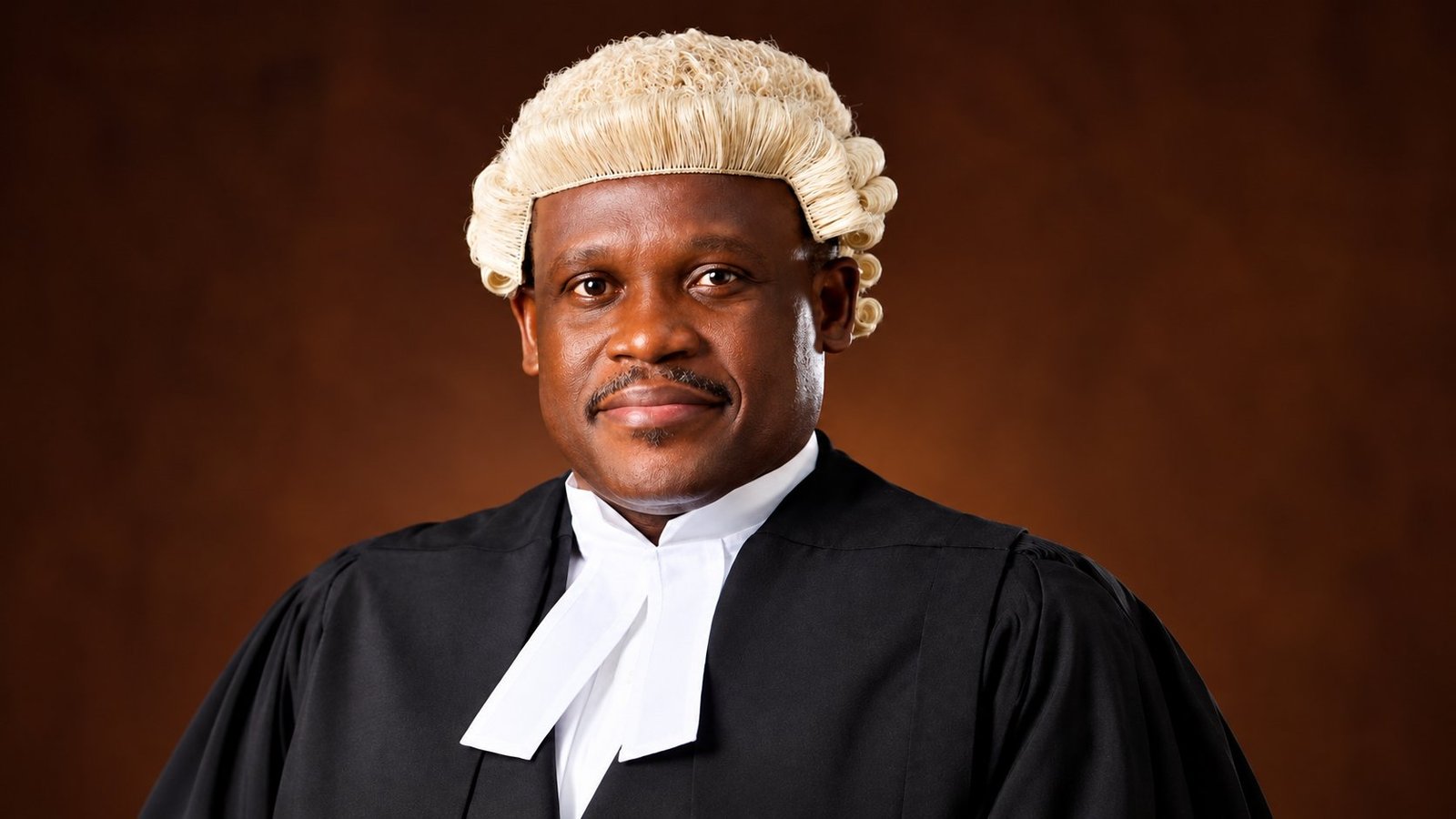
The Communications Minister and Ningo-Prampram MP is among hundreds of law graduates taking a significant step into the legal profession as Ghana holds its 2026 Call to the Bar ceremony in Accra.
Ghana's Minister for Communications, Digital Technology and Innovation, Samuel Nartey George, has arrived for the 2026 Call to the Bar ceremony, marking a significant milestone in a career already spanning Parliament, government and public policy.
The Ningo-Prampram Member of Parliament is among 1,568 candidates expected to be formally admitted to the Ghana Bar on Friday, October 9, 2026, after completing the required professional legal training.
The ceremony, organised under the authority of the General Legal Council (GLC), brings together aspiring lawyers, members of the judiciary, senior legal practitioners and families to witness one of the most important occasions in Ghana's legal calendar.
For George, the event represents another professional achievement alongside his responsibilities as a government minister and legislator.
For the hundreds of other candidates, it marks the culmination of years of academic study, professional training and preparation for careers in law.
Although George's presence has attracted particular public interest because of his political profile, the occasion is primarily a celebration of a new generation of legal professionals preparing to enter Ghana's justice system.
Sam George Adds Law to His Public Service Career
Sam George is widely known for his role in Ghanaian politics, having represented the Ningo-Prampram Constituency in Parliament and subsequently taken on ministerial responsibilities.
As Minister for Communications, Digital Technology and Innovation, he oversees a portfolio that includes telecommunications, digital transformation, technological development and related government policy.
His expected admission to the Bar introduces another dimension to that public career.
Legal training is particularly relevant to public administration, where decisions frequently involve legislation, regulatory frameworks, institutional responsibilities and constitutional questions.
In the communications and technology sector, those considerations extend to issues such as data protection, cybersecurity, digital governance and the regulation of telecommunications services.
George's legal qualification could therefore complement his existing work in government, although admission to the Bar does not by itself establish how he intends to practise law or apply the qualification professionally.
His participation also reflects the broader range of backgrounds represented among candidates entering the legal profession.
While some graduates will begin their careers in law firms or legal departments, others may bring their training into existing professions, including public administration, business, academia and politics.
A Major Day for 1,568 Aspiring Lawyers
Beyond the attention surrounding the Communications Minister, Friday's ceremony is an important occasion for the 1,568 candidates preparing to join Ghana's legal profession.
For many, the journey to this point has involved years of university education followed by professional legal training, examinations and the satisfaction of admission requirements.
The Call to the Bar marks the formal recognition of that effort.
It is also a moment shared with families, friends and mentors who have supported candidates throughout their studies.
The ceremony is among the most significant events organised under the General Legal Council's oversight of legal education and professional admission in Ghana.
Successful candidates are formally enrolled onto the Roll of Lawyers, allowing them to enter the profession subject to the applicable requirements governing legal practice.
For some, the next step will be private legal practice.
Others may pursue careers within government institutions, corporate legal departments, regulatory bodies, civil society organisations or other areas where legal expertise is required.
The range of opportunities reflects the growing importance of legal knowledge across Ghana's economy and public institutions.
Ghana's Legal Profession Continues to Expand
The expected admission of 1,568 candidates also represents a substantial addition to Ghana's legal community.
According to figures attributed to the Ghana School of Law, 12,226 lawyers had been enrolled since 1963, while 961 candidates were admitted through the main and supplementary Call to the Bar processes in 2025.
The 2026 cohort, if fully enrolled as expected, would therefore represent a notable increase over the previous year's admissions.
The expansion comes as legal services continue to play an important role in business transactions, dispute resolution, public administration and the protection of individual rights.
A growing number of qualified lawyers could strengthen the availability of legal expertise across different sectors.
However, the number of new lawyers entering the profession is only one measure of progress.
Access to legal services remains an important consideration, particularly for people and communities that face financial or geographical barriers to obtaining legal assistance.
The contribution of the incoming lawyers will ultimately depend not only on their qualifications but also on where they work, the services they provide, and their commitment to professional standards.
Admission Comes With Professional Responsibility
For the candidates, being called to the Bar is both an achievement and the beginning of a new set of responsibilities.
Lawyers occupy an important position within the justice system.
They represent clients, advise individuals and institutions, assist in resolving disputes and contribute to the administration of justice.
Their work requires more than knowledge of legislation and legal procedures.
Professional integrity, confidentiality, competence and respect for the courts are central to the responsibilities they assume.
The General Legal Council oversees standards governing admission and professional conduct, reinforcing the principle that entry into the legal profession carries obligations to both clients and the wider administration of justice.
For the new lawyers, Friday's celebrations will eventually give way to the practical demands of their chosen careers.
Some will begin working under experienced practitioners, while others will pursue opportunities in institutions where legal expertise is increasingly essential.
Whatever direction they take, the expectation is that their training will be applied with professionalism and respect for the rule of law.
A Personal Milestone Within a National Occasion
Sam George's participation adds a familiar political face to this year's ceremony, but his achievement forms part of a much larger occasion.
The Communications Minister joins hundreds of candidates who have worked towards the same professional goal, even if their personal and career circumstances differ.
For George, admission to the Bar would add a recognised legal qualification to his experience in Parliament and government.
For other candidates, the ceremony may mark the beginning of their first full-time professional careers.
The significance of the day is therefore both personal and national.
It recognises individual achievement while introducing a new group of legal professionals into a system that depends on competence, ethical conduct and public confidence.
As the 2026 candidates prepare to receive their formal admission, the focus will naturally be on the years of effort that brought them to this point.
But the more lasting measure of their achievement will come after the ceremony, through the work they undertake and the contributions they make to Ghana's legal system.
For Sam George, Friday represents another milestone in public life. For the 1,567 other candidates expected to join him, it is an equally important moment — the beginning of a new chapter in the legal profession.
you may also like


-
by Em News
- September 18, 2026
Rev. Francis Lawer Sackitey Launches Memoir o...

-
by Em News
- September 19, 2026
Global Evangelicals Church Holds Kasoa Zone D...

-
by Em News
- September 19, 2026
GES Warns SHSs Against Turning Away Students...

-
by Em News
- September 19, 2026
0 Comments
Be the first to join the conversation.