- by Christian Amegbor
- Jun 21, 2023
Fuel Prices Set to Rise as Petrol Hits GH¢14.52, Diesel GH¢16.00 from July 16
- By Christian Amegbor
- Jul Wed, 2026
- in Business
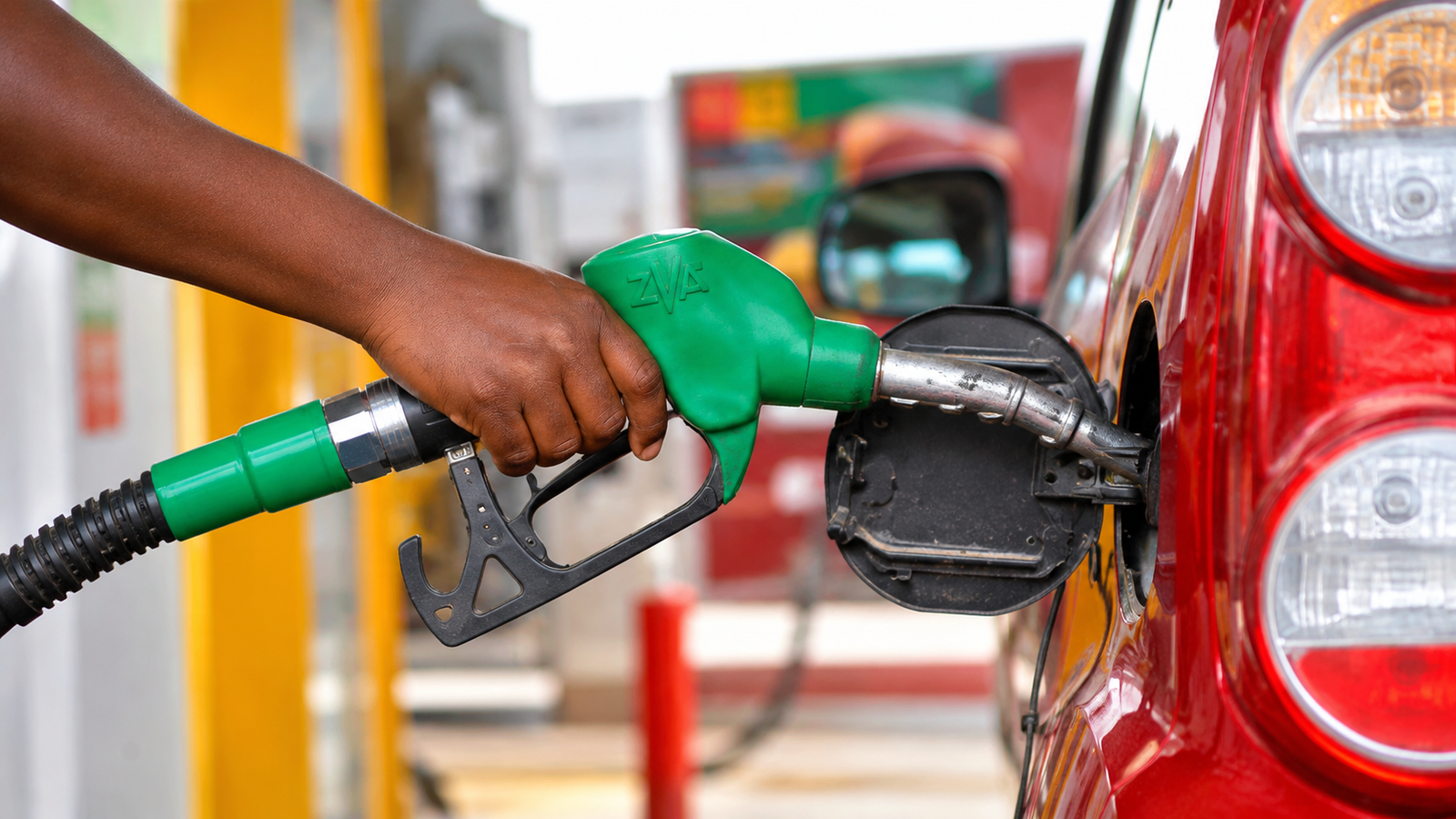
Ghanaian motorists should brace for higher fuel costs starting Thursday, July 16, as oil marketing companies (OMCs) roll out new pump prices for the second pricing window of the month. Industry projections put petrol at approximately GH¢14.52 per litre and diesel at around GH¢16.00 per litre, reversing earlier expectations that prices would hold steady or even decline during the current cycle.
The anticipated adjustment comes after weeks of upward movement in global crude oil and refined petroleum product prices, a trend that continues to shape fuel costs in Ghana despite relative calm in the local currency market. Analysts warn the increase could have knock-on effects across transportation, logistics, and the broader cost of goods and services nationwide.
International Market Pressures Drive the Increase
The projected hike is mainly attributed to rising international crude oil prices, which have increased the cost of importing refined petroleum products into Ghana. Renewed volatility on global energy markets, driven by geopolitical tensions and supply concerns in oil-producing regions, has forced importers and distributors to absorb higher procurement costs in recent weeks.
Because Ghana relies heavily on imported petroleum products, shifts in global benchmark crude prices typically feed through quickly to pump prices. While exchange rate movements also play a role in domestic pricing, analysts say international pricing remains the dominant factor behind this latest adjustment, overshadowing whatever stability the cedi has managed to hold onto.
A Stable Cedi, But Limited Relief
The cedi has held relatively steady against major foreign currencies in recent weeks, offering importers some cushion against external shocks. However, industry observers note that currency stability alone hasn't been enough to offset the scale of the increase in global fuel prices.
Local fuel pricing in Ghana is shaped by a combination of factors: international refined product prices, exchange rate movements, taxes, levies, and the operational costs incurred by OMCs. When global prices climb sharply, a stable currency does little to shield consumers from the resulting pressure, and OMCs are expected to pass a portion of the added costs on to the public through higher pump prices.
Transport and Businesses Brace for Impact
The price adjustment is expected to ripple across the economy in the weeks ahead. Commercial drivers, transport operators, and logistics firms face higher operating costs, raising the likelihood of fare increases on both intercity and local routes. Riders and commuters who depend on public transport may feel the effects first, as operators look to recover fuel costs through fare adjustments.
Businesses that depend heavily on fuel for their operations, including delivery services, agriculture, manufacturing, and construction, may also see their operating expenses climb. Many are likely to pass some of that added cost on to consumers through higher prices for goods and services, compounding pressure on household budgets already stretched by the broader cost of living.
What Happens Next
OMCs are expected to begin applying the revised prices from July 16, though actual pump prices may vary slightly by station depending on individual companies' pricing strategies and operational considerations. The general trend, however, points to a nationwide increase, with only modest variation expected between retail outlets.
Energy analysts say Ghana's fuel prices will remain closely tied to global oil market conditions in the coming months, including crude production levels, geopolitical developments, shipping costs, and shifts in global demand. Should international prices ease, consumers could see relief in future pricing windows. Continued volatility on global markets, on the other hand, may sustain upward pressure on pump prices well beyond this pricing cycle.
For now, motorists and businesses across the country are preparing for another round of higher fuel costs, a development that underscores Ghana's continued exposure to international energy price swings and the far-reaching impact fuel prices have on transportation, commerce, and everyday life.

Please Login to comment in the post!

you may also like

- by Christian Amegbor
- Jun 21, 2023
Bank of Ghana's GH₵15.6 Billion Loss in 2025;...

- by Christian Amegbor
- Feb 09, 2026
Ghana T-Bills Auction Records Strong Oversubs...

- by Christian Amegbor
- Feb 12, 2026
Frank Aduse Poku Questions COCOBOD Vehicle Ex...

- by Christian Amegbor
- Apr 20, 2026