-
 by Em News
- September 18, 2026
Fuel Prices Expected to Rise from September 1 as Petrol Could Reach GH¢16.21
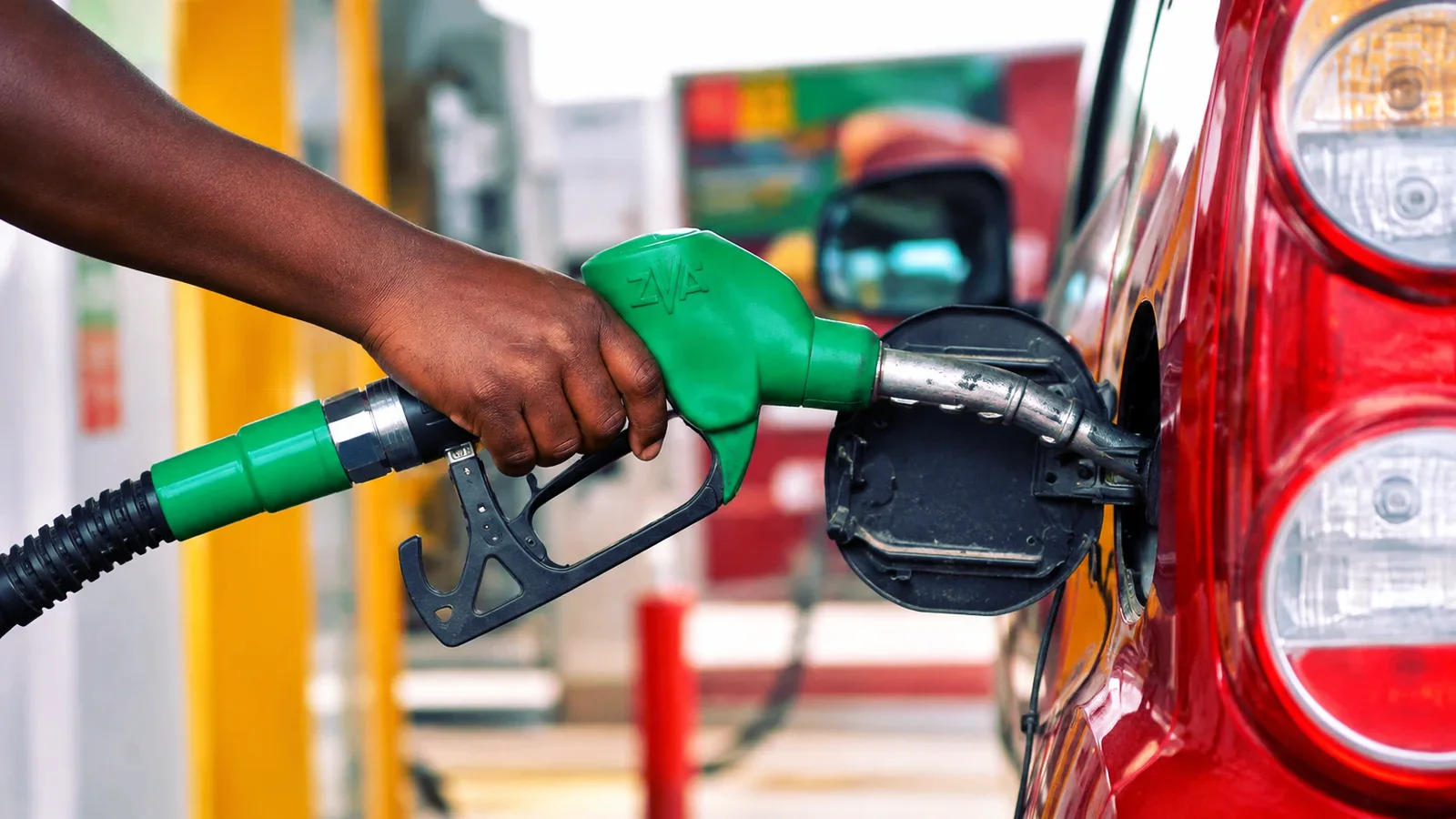
Fuel prices in Ghana are expected to increase from Tuesday, September 1, 2026, with petrol, diesel and liquefied petroleum gas (LPG) all projected to record marginal increases.
The latest projection from the Chamber of Petroleum Consumers Ghana (COPEC) indicates that petrol could sell at an average price of GH¢16.21 per litre in the new pricing window.
The projected petrol price represents an estimated 5% increase from the current average pump price of about GH¢15.43 per litre.
Diesel is also expected to become more expensive, with COPEC projecting an average retail price of approximately GH¢17.61 per litre. This would represent an estimated 2.58% increase from the current average price of GH¢17.17 per litre.
LPG consumers could also see a marginal increase, with COPEC estimating a price of around GH¢14.19 per kilogramme.
What is driving the expected increase?
The projected increase comes despite some favourable developments in the international oil market and Ghana's foreign exchange market.
COPEC's assessment shows that the average global crude oil price declined from approximately US$90.41 to US$89.30 per barrel during the latest pricing period.
At the same time, the Ghanaian cedi strengthened against the US dollar. The average interbank exchange rate improved from around GH¢11.80 to GH¢11.5166 to the US dollar, representing an appreciation of approximately 2.39%.
However, the improvement in the exchange rate and the slight decline in crude oil prices have not been enough to prevent pressure on local fuel prices.
According to COPEC's analysis, changes in the international prices of refined petroleum products, particularly their Free-On-Board (FOB) prices, are contributing significantly to the expected increase.
For petrol, the FOB price reportedly increased from about US$1,033.15 to US$1,136.50 per metric tonne, representing an increase of roughly 10%. This increase has contributed to the higher projected pump price despite the cedi's recent appreciation.
Petrol could range between GH¢15.40 and GH¢17.02
While COPEC's central projection puts petrol at GH¢16.21 per litre, prices at individual fuel stations could vary.
The chamber estimates that petrol could trade within a range of approximately GH¢15.40 to GH¢17.02 per litre, depending on market conditions and the pricing decisions of individual oil marketing companies.
This means motorists may not necessarily pay exactly GH¢16.21 per litre at every filling station.
Oil Marketing Companies (OMCs) have some flexibility in determining their pump prices, meaning prices can differ between companies and locations.
Diesel prices are also expected to increase
Diesel is projected to rise to approximately GH¢17.61 per litre, despite a marginal decline in its international FOB price.
COPEC estimates that diesel could sell within a range of about GH¢16.73 to GH¢18.49 per litre, based on a ±5% variation around its projection.
The expected increase could put additional pressure on businesses and commercial transport operators, particularly those whose operating costs are heavily dependent on diesel.
LPG consumers may also pay more
Liquefied petroleum gas is also expected to record an increase in the September pricing window.
COPEC projects LPG at approximately GH¢14.19 per kilogramme. The chamber estimates that the product could trade between GH¢13.48 and GH¢14.90 per kilogramme within a ±5% range.
The international FOB price of LPG reportedly increased from US$596 to US$611 per metric tonne, representing a rise of about 2.64%.
COPEC calls for measures to cushion consumers
With the expected increases, COPEC has appealed to the government to extend its fuel subsidy intervention beyond the end of August.
The chamber argues that extending the intervention could help reduce the impact of higher petroleum prices on households and businesses until international market conditions become more favourable.
COPEC has also called on Oil Marketing Companies to consider maintaining the current ex-pump price of diesel as a way of reducing the immediate financial pressure on consumers.
What this means for motorists
If the projections materialise, motorists could begin September with higher fuel expenses.
An increase in petrol prices could affect household transportation costs, commercial transport fares and the operating expenses of businesses that rely heavily on vehicles.
Higher diesel prices could also have wider implications because diesel is widely used by commercial vehicles, generators, heavy-duty equipment and businesses.
However, the final prices consumers pay will depend on the actual pricing decisions of individual Oil Marketing Companies when the new pricing window begins on September 1.
For now, COPEC's figures should be treated as projections rather than guaranteed pump prices.
The expected September adjustment highlights how international petroleum prices, refined-product costs and movements in the Ghana cedi can continue to influence fuel prices in the local market.
you may also like


-
by Em News
- September 18, 2026
Rev. Francis Lawer Sackitey Launches Memoir o...

-
by Em News
- September 19, 2026
Global Evangelicals Church Holds Kasoa Zone D...
-
by Em News
- September 19, 2026
GES Warns SHSs Against Turning Away Students...

-
by Em News
- September 19, 2026
0 Comments
Be the first to join the conversation.