-
 by Christian Amegbor
- September 18, 2026
How a Beach Video in Ghana Became a Caribbean Music Award: Inside Moliy's Global Breakout
-
By
Christian Amegbor
- September 24, 2026
- in ENTERTAINMENT
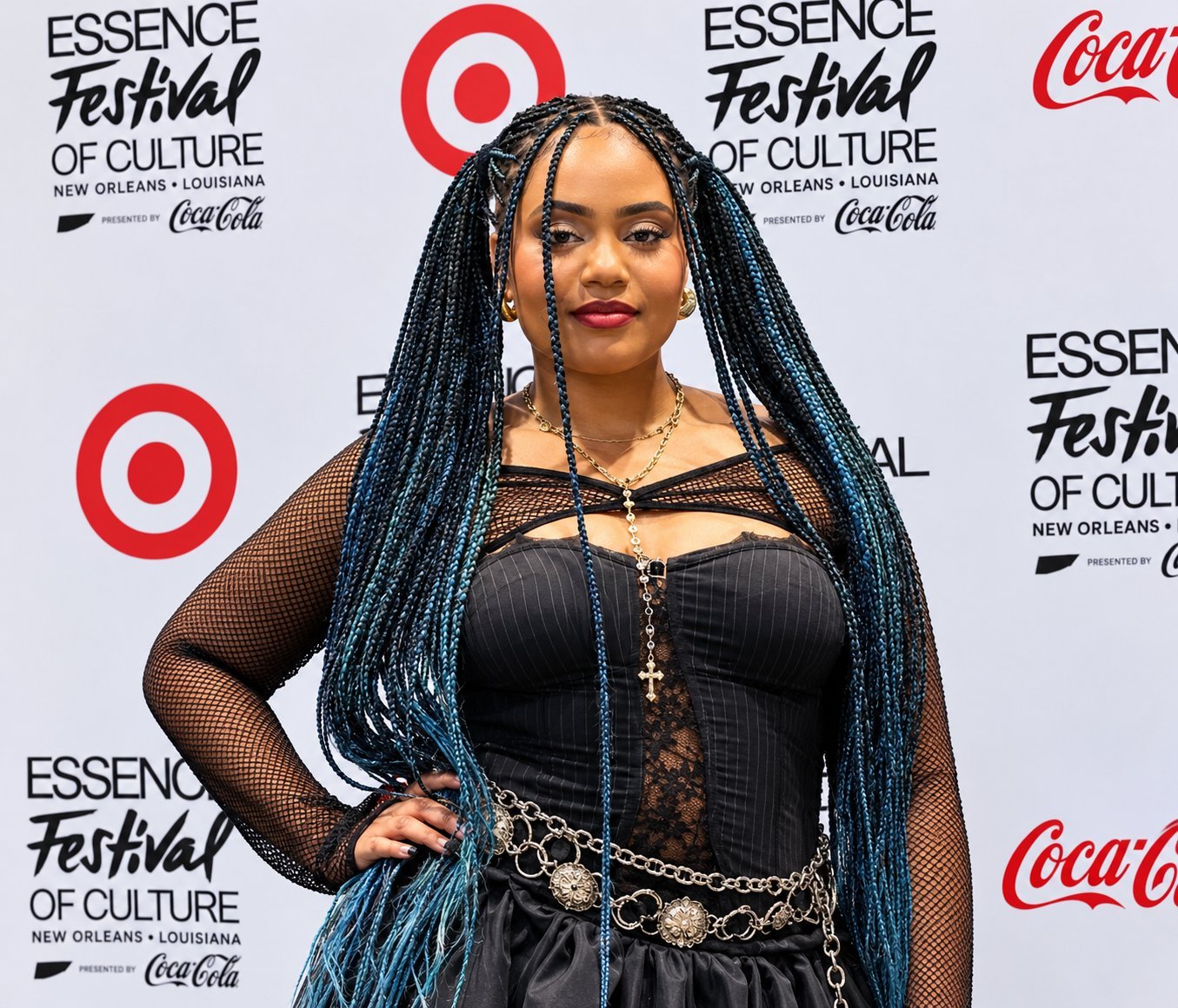
A little over eighteen months ago, Moliy Ama Montgomery was averaging 300 views on her TikToks. No bookings. No distributor willing to put real money behind her music. By her own account, "zero motion." On Saturday, September 19, in Port of Spain, Trinidad, she stood on stage at the National Academy for the Performing Arts and became the first Ghanaian artist in history to win a Caribbean Music Award, Dancehall Song of the Year, for a track that started as an unplanned birthday video on a Ghanaian beach.
It's the kind of story that gets flattened into "overnight success" shorthand the moment it makes headlines. It wasn't overnight. And the actual mechanics behind how "Shake It to the Max (Fly)" travelled from a phone camera in Ghana to a trophy in Trinidad say something real about what it now takes for African music to cross over, not just go viral at home, but genuinely break into markets that have no obligation to pay attention.
The moment nobody planned
Before any of it, Moliy had already made a name in more knowing circles of the Afro-pop world; her vocals on Amaarae's "SAD GIRLZ LUV MONEY" had given her real credibility, if not mainstream reach. Frustrated with a stalling career in the United States, she made a decision that, in hindsight, looks strategic but at the time was closer to a leap of faith: she left the US and moved back home to Ghana, betting on herself with no clear plan for how that bet would pay off.
The song that changed everything wasn't engineered in a studio session with a marketing rollout attached. It was posted from a beach in Ghana, on her birthday, surrounded by family and friends, "no team, no marketing plan, just vibes," as she's described it since. "Shake It to the Max (Fly)," produced with Silent Addy, went out into the world with nothing behind it but the song itself.
Why the remix is the real story
Here's the part that separates Moliy's trajectory from the countless other tracks that go locally viral and stall: the decision to bring in Jamaican dancehall stars Skillibeng and Shenseea for a remix. Released in March 2025, the remix didn't just add two recognizable names; it plugged "Shake It to the Max" directly into an entirely different regional audience and radio ecosystem, one Moliy had no organic foothold in on her own.
That single decision is arguably what took the song from an Afrobeats hit to a genuine cross-genre, cross-region phenomenon. The remix topped Billboard's US Afrobeats Songs chart for 22 consecutive weeks, dethroning Tyla's "Push 2 Start" after its own 20-week reign. It landed in Spotify's Top 5 Songs of the Summer and TikTok's Top 10 Global Songs of Summer 2025. It spent multiple non-consecutive weeks at number one on YouTube in Jamaica, a market where an African pop record breaking through at all is genuinely rare, let alone dominating. By early 2026, the track had passed one billion streams, earned RIAA gold certification in the United States for selling 500,000 units, and picked up a second gold certification in France.
The recognition follows the reach
Award recognition, in Moliy's case, has trailed the numbers rather than preceded them, which is usually the more sustainable order for an artist's career. She became the first Ghanaian musician to perform at the BET Awards. "Shake It to the Max, FLY [Remix]" picked up nominations for Best Afrobeats and Song of the Summer at the 2025 MTV VMAs. She became the first Ghanaian artist to surpass 20 million monthly listeners on Spotify.
The Caribbean Music Awards win adds a different kind of validation to that list, not an African or African-diaspora award recognizing an African artist, but a regional Caribbean institution recognizing a West African record as genuinely belonging inside dancehall's own category. The track arrived at the 2026 ceremony as the most-nominated song of the night, up for Dancehall Song of the Year, Dancehall Collaboration of the Year and Dancehall Video of the Year. It won the first outright and shared the second, a rare, arguably unprecedented level of institutional acceptance for a song built outside the Caribbean but engineered, deliberately, to speak its musical language.
What it actually took
Strip away the individual talent, and there's plenty of it, and what's left is a fairly precise sequence: an organic moment with real emotional authenticity, released with zero expectation; a strategic remix decision that plugged the song into a market with its own gatekeepers and its own audience; sustained chart performance that gave labels, radio and award bodies no reason to treat it as a novelty; and only then, recognition that stacks on top of genuine reach rather than substituting for it.
It's a version of the same story Em News has traced with young Ghanaian creators turning TikTok followings into real businesses, except here, the "product" is a song, the "market" is the Caribbean's own dancehall ecosystem, and the payoff is a trophy on a stage in Trinidad that no Ghanaian artist had ever stood on before. Moliy's own reflection on the year, delivered in a video on her YouTube channel, captures the gap between where she started and where she landed better than any awards recap could: "I went from an underground artist to a worldwide sensation in one year."
For Ghana's music industry, watching an artist who left the country, came back with nothing guaranteed, and then broke into a market Ghanaian music rarely touches at all, the lesson isn't really about virality. It's the same one that keeps showing up whenever an African creative act successfully crosses into a market it didn't grow up in: the internet moment gets you noticed, but it's the deliberate creative decisions after that moment, who you bring in, which market you actually try to speak to, that decide whether the attention becomes something durable.
Please Login to comment in the post!

you may also like


-
by Christian Amegbor
- September 19, 2026
R2Bees: From Tema to London, a Sound That Sti...

-
by Christian Amegbor
- September 19, 2026
Dancer Rica Reveals She Nearly Quit Dancing t...
-
by Christian Amegbor
- September 19, 2026
Burna Boy to Headline Halftime Show at NFL’s...
-
 by Criss Jin
- September 25, 2026