-
 by Christian Amegbor
- September 18, 2026
From Kantamanto to TEDx: How Waste Became Innovation
-
By
Christian Amegbor
- September 8, 2026
- in Politics
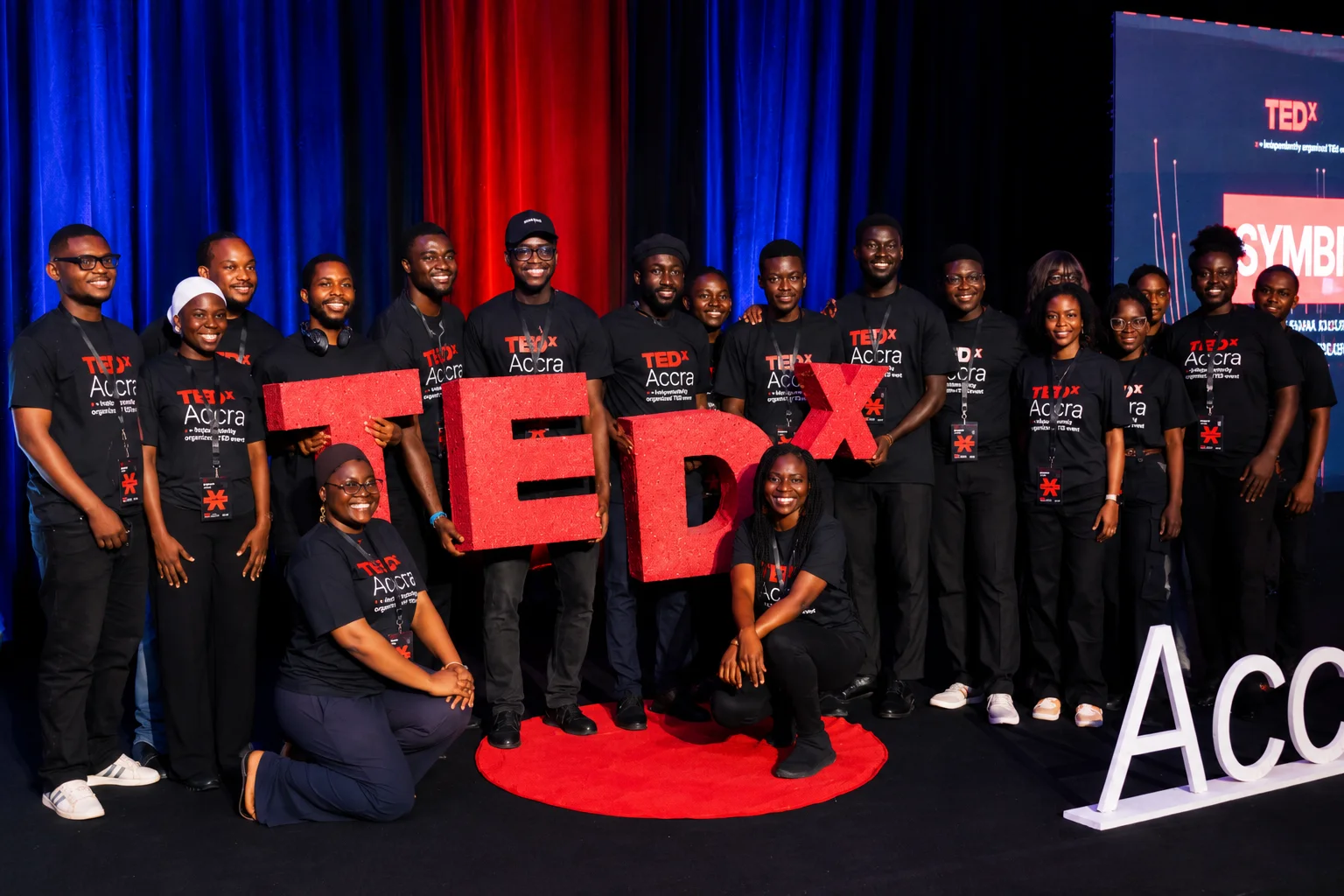
What many people see as unwanted clothing and discarded materials has become the foundation for an inspiring story of creativity, entrepreneurship, and environmental innovation.
A remarkable journey connected to Accra’s Kantamanto Market has reached the TEDx stage, highlighting how waste can be transformed into valuable products while creating opportunities for people and communities.
Kantamanto, one of Ghana’s largest second-hand clothing markets, receives huge quantities of used garments every week. While the market provides affordable clothing and supports thousands of livelihoods, the volume of unwanted textiles has also created a significant waste-management challenge.
Instead of viewing discarded clothing solely as rubbish, innovators and entrepreneurs are exploring ways to give these materials a second life.
Turning waste into opportunity
The growing movement around textile recycling demonstrates that materials considered useless can become valuable resources when creativity and innovation are applied.
At Kantamanto, traders and workers deal with clothing that arrives from different parts of the world. Some garments are resold, while others are damaged, unsuitable for the local market or simply unable to find buyers.
These unwanted items have traditionally contributed to Ghana's growing textile-waste problem. However, innovative approaches are changing the conversation by transforming discarded materials into new products.
The concept goes beyond recycling. It is about creating an economy in which waste becomes an input for another production process rather than ending up in landfills or being burned.
From Accra to the global stage
The story's appearance on the TEDx stage represents a significant moment for Ghana's growing circular-economy movement.
TEDx platforms are known for presenting ideas and personal experiences that can inspire wider conversations about society, business, technology and the environment.
Taking the Kantamanto experience to such a platform helps draw international attention to both Ghana's waste challenges and the innovative solutions emerging from them.
It also challenges the perception that innovation must always begin with expensive technology or large corporations.
Sometimes, innovation can emerge from everyday problems faced by ordinary people.
The environmental challenge
Textile waste has become an increasingly important environmental issue globally. Fast fashion has contributed to rising clothing consumption, shorter product lifespans, and increasing quantities of discarded garments.
For Ghana, the issue has an additional dimension because the country is a major destination for second-hand clothing.
When garments cannot be sold or reused, they can become difficult waste to manage. Synthetic materials may take a long time to break down, while burning textiles can contribute to air pollution.
Finding practical ways to reuse these materials could therefore provide both environmental and economic benefits.
Building a circular economy
The Kantamanto story also demonstrates the potential of Ghana's circular economy.
A circular economy aims to keep products and materials in use for as long as possible through reuse, repair, recycling and remanufacturing.
Rather than following the traditional model of producing goods, using them and throwing them away, the circular approach seeks to reduce waste by creating new value from existing resources.
For young Ghanaian entrepreneurs, this presents an opportunity to develop businesses around sustainability while creating employment.
A lesson for Ghana's future
The journey from Kantamanto to the TEDx stage carries a broader message: environmental challenges can also become opportunities for innovation.
Ghana continues to face major waste-management problems, from plastic pollution to textile waste. Addressing these challenges will require cooperation between government, businesses, entrepreneurs, communities and consumers.
But innovation can play an important role.
The Kantamanto experience shows that solutions do not necessarily have to come from outside Ghana. Local communities already possess knowledge, creativity and entrepreneurial energy that can be developed into sustainable businesses.
As the story reaches audiences beyond Ghana, it offers an important reminder that what appears to be waste can sometimes be the starting point for something valuable.
From a busy market in Accra to an international ideas platform, the journey demonstrates how creativity can transform an environmental problem into an opportunity for innovation, employment and positive change.
Please Login to comment in the post!

you may also like


-
by Christian Amegbor
- September 19, 2026
Foreign Affairs Ministry Submits 200-Page Rep...

-
by Christian Amegbor
- September 19, 2026
Barker-Vormawor: If It Was Wrong Under NPP, I...

-
by Christian Amegbor
- September 19, 2026
Alan Kyerematen: God Will Give Me Strength to...

-
 by Criss Jin
- October 1, 2026