- by Christian Amegbor
- Feb 09, 2026
Ghanaian Cybercrime Suspect in $8 Million Romance Scam Case Granted Bail by Accra High Court
- By Christian Amegbor
- Apr Tue, 2026
- in News
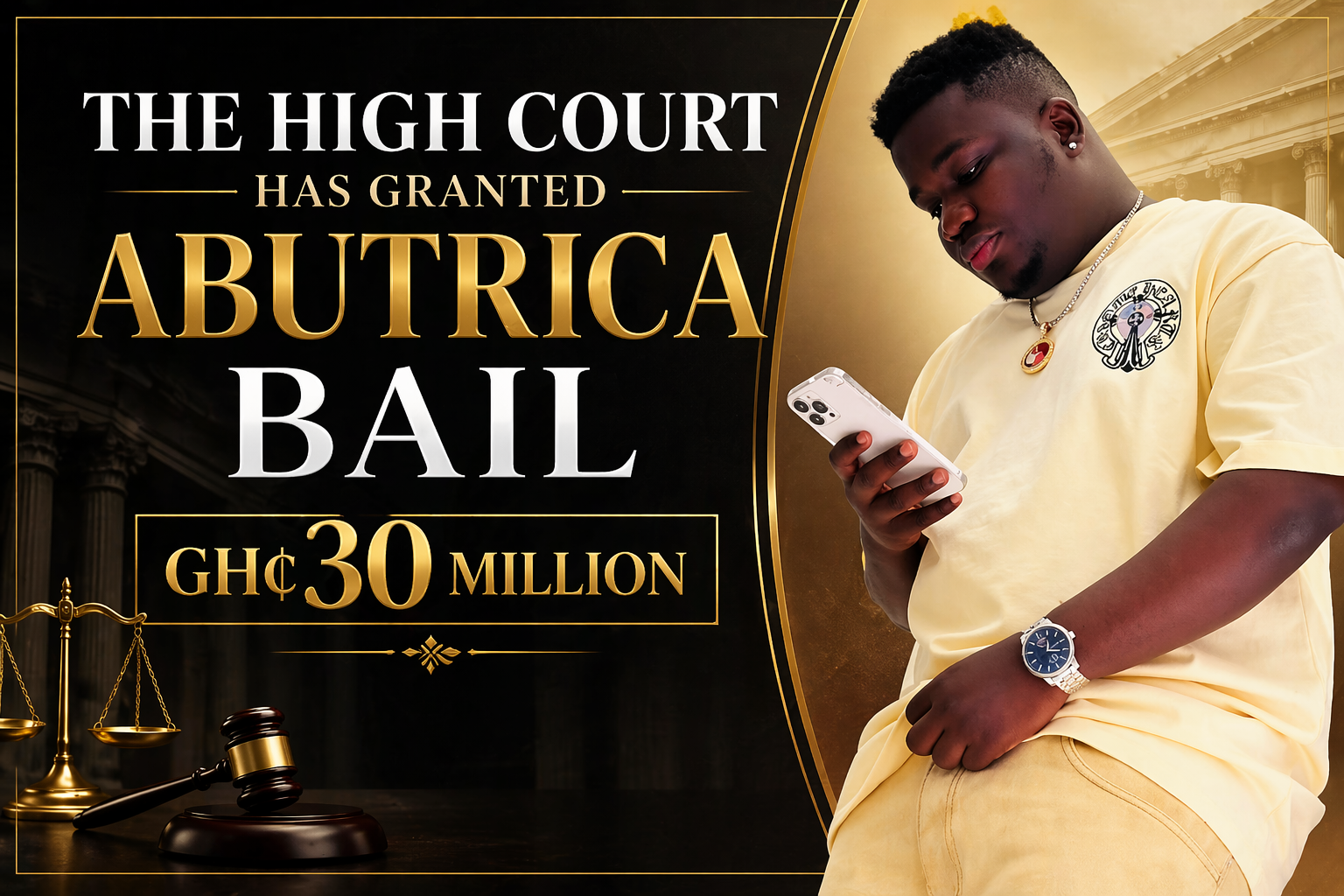
A Ghanaian man facing potential extradition to the United States on federal cybercrime charges has been granted bail by the Accra High Court, in one of the most closely watched international fraud cases to emerge from Ghana in recent years.
Frederick Kumi, widely known by the alias Emmanuel Kojo Baah Obeng, or "Abu Trica", was granted bail for GHS 30 million, with two sureties required. He has been in custody since his arrest on December 11, 2025, following a coordinated operation involving Ghana's Cyber Security Authority, the Ghana Police Service, the National Intelligence Bureau, and the U.S. Federal Bureau of Investigation.
The Allegations
U.S. authorities allege that Kumi was a member of a transnational criminal network that ran elaborate romance scams targeting elderly Americans, causing financial losses exceeding $8 million. Investigators say the operation, which is believed to have been active since 2023, used AI-generated false identities to build sustained emotional relationships with victims online, often over weeks or months, before persuading them to transfer money under fabricated pretexts, including medical emergencies, travel costs, and investment schemes.
Funds allegedly obtained from victims were reportedly laundered through multiple international channels, with associates in Ghana forming part of the financial network.
Kumi faces charges in the United States of conspiracy to commit wire fraud, money laundering conspiracy, and related forfeiture specifications. If convicted, he could face up to 20 years in federal prison.
The Bail Decision
The Accra High Court's decision to grant bail follows several hearings and sustained legal arguments from both prosecution and defence. While Kumi is now out of pre-trial custody, the conditions attached to his release are substantial. The court has imposed movement restrictions, and he remains under judicial supervision as extradition proceedings and international legal coordination continue in parallel.
Bail is not acquittal. The legal process that will ultimately determine whether Kumi faces trial in the United States is still very much in motion.
A Case With Wider Significance
Beyond the individual charges, the case has become a focal point for broader conversations about cybercrime enforcement in West Africa and the growing sophistication of AI-assisted fraud.
Romance scams of this nature are not opportunistic crimes. They are methodical, psychologically calculated operations that exploit loneliness and trust, often targeting elderly victims who may be less familiar with digital deception. The use of AI-generated identities, deepfake-style profiles capable of sustaining convincing online personas, marks a disturbing escalation in the tools available to criminal networks.
The FBI's involvement situates the case within its Elder Justice Initiative, a coordinated federal programme targeting financial exploitation of older Americans. The Initiative has increasingly focused on cross-border fraud networks, recognising that the most damaging schemes frequently operate across multiple jurisdictions simultaneously.
The collaboration between Ghanaian and American agencies that led to Kumi's arrest has been cited by both sides as a model for international cybercrime enforcement, one that relied on sustained intelligence-sharing and mutual legal assistance rather than unilateral action.
What Comes Next
Further hearings are expected as extradition-related processes advance. Whether Kumi ultimately faces prosecution in Ghana, in the United States, or through some combination of both jurisdictions remains to be determined.
What is not in question is the scale of harm alleged, the international weight of the case, or the precedent it may set for how Ghana and its partners pursue transnational cybercrime in the years ahead.

Please Login to comment in the post!

you may also like

- by Christian Amegbor
- Feb 09, 2026
Reversal of institutions' names not erasing h...
- by Christian Amegbor
- Feb 09, 2026
Deputy Education Minister Vows to Secure Buli...
- by Christian Amegbor
- Feb 09, 2026
Blame Akufo-Addo, not John Mahama for poor WA...
- by Christian Amegbor
- Feb 10, 2026